Why mold shows up in a dry attic
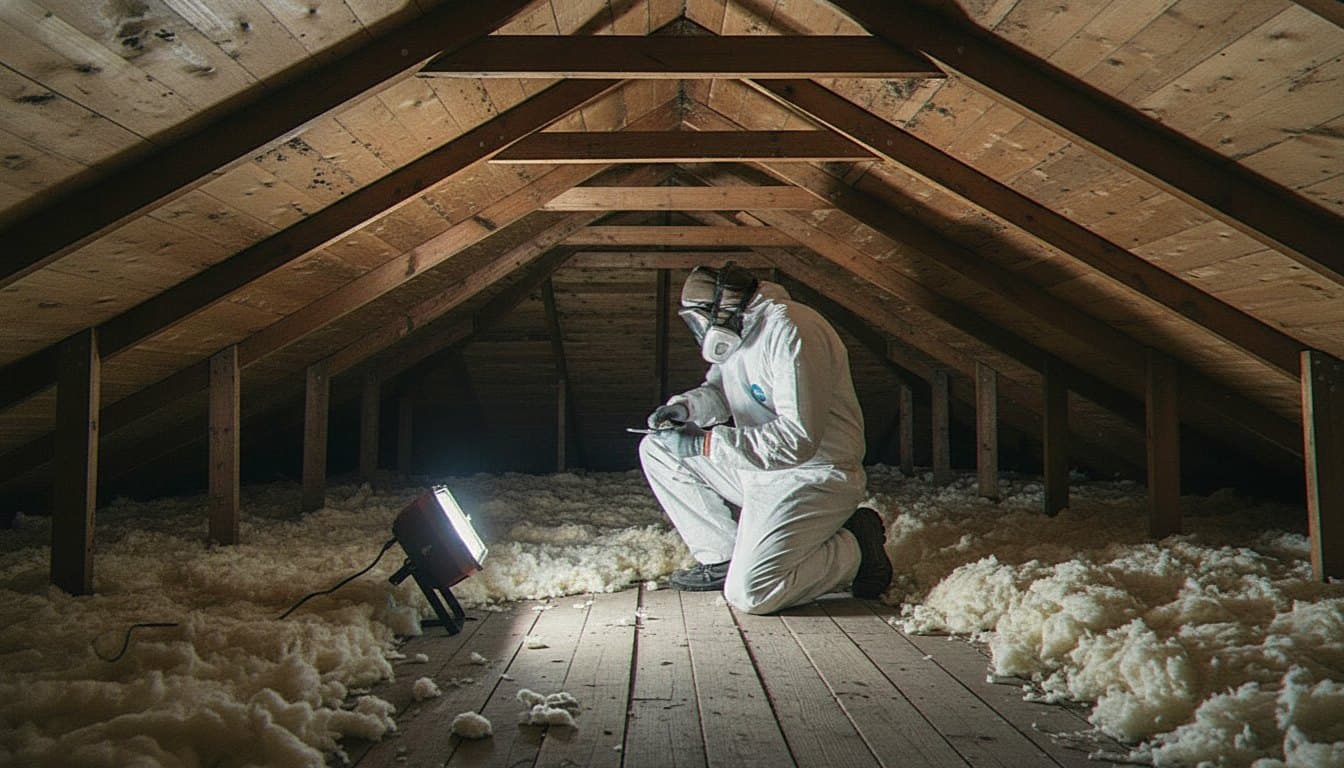
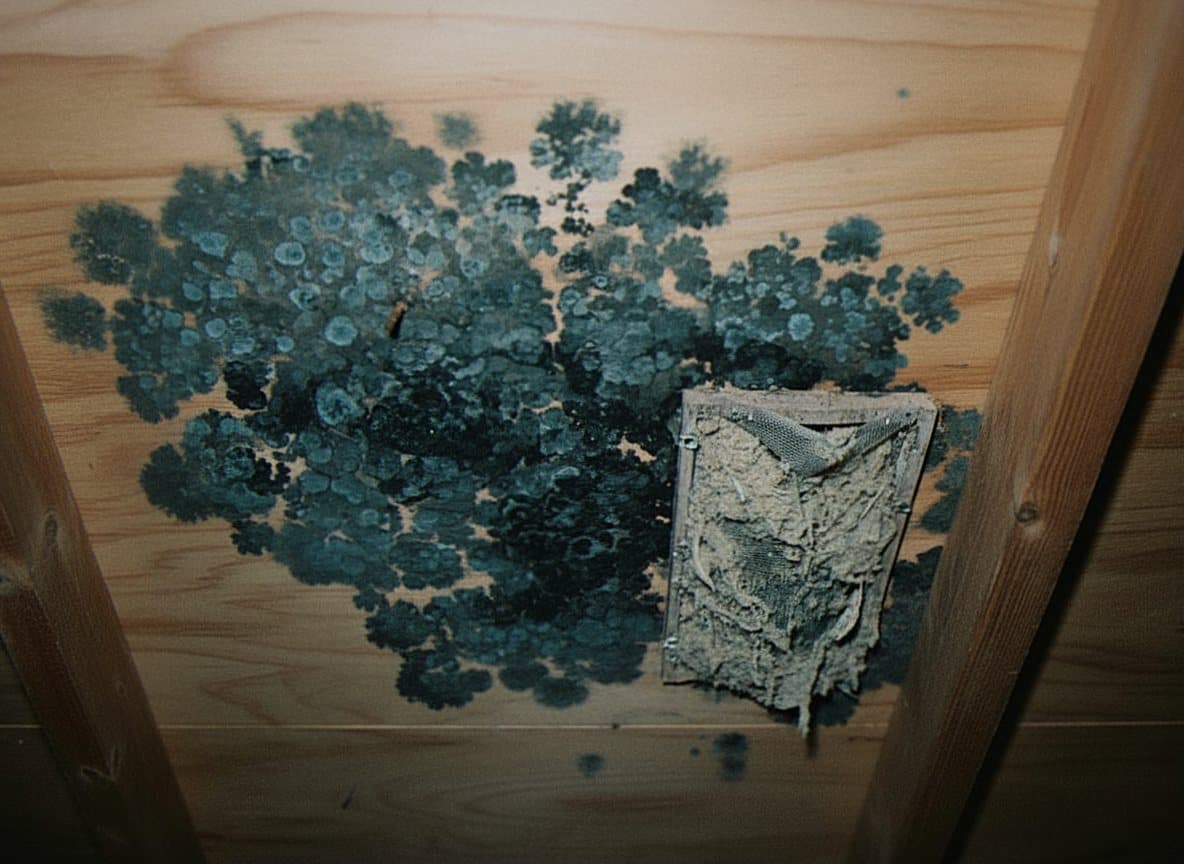
Royal Oak attic mold removal usually starts with a surprise. You go up for a box and see dark, frosty staining all over the underside of the roof. There is no plumbing up there, so how did mold even get a foothold? The answer is almost always air and water moving the wrong way. A slow roof leak, an ice dam in February, or warm damp house air trapped against cold wood is all it takes. Once that wood stays wet, mold spreads fast across the sheathing and rafters. We get it off, and we fix the cause so it does not bloom back next winter.
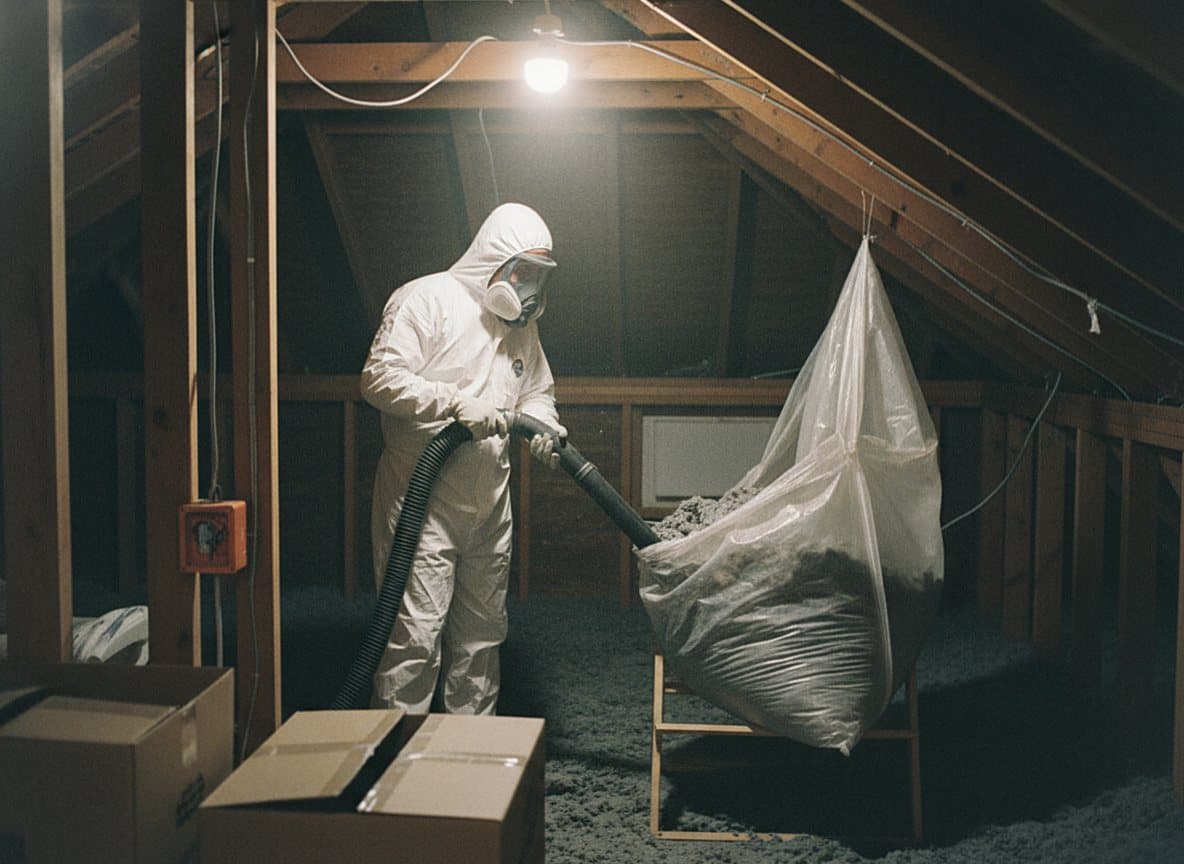
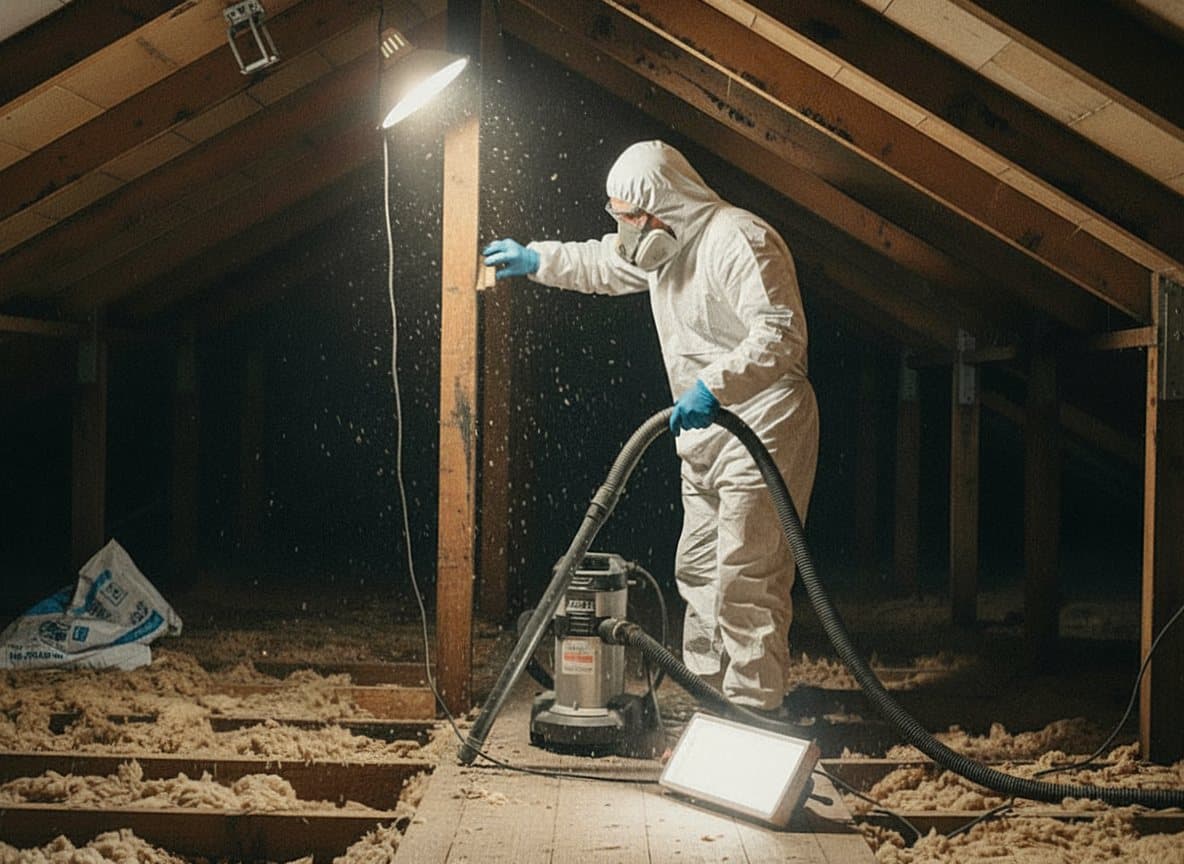
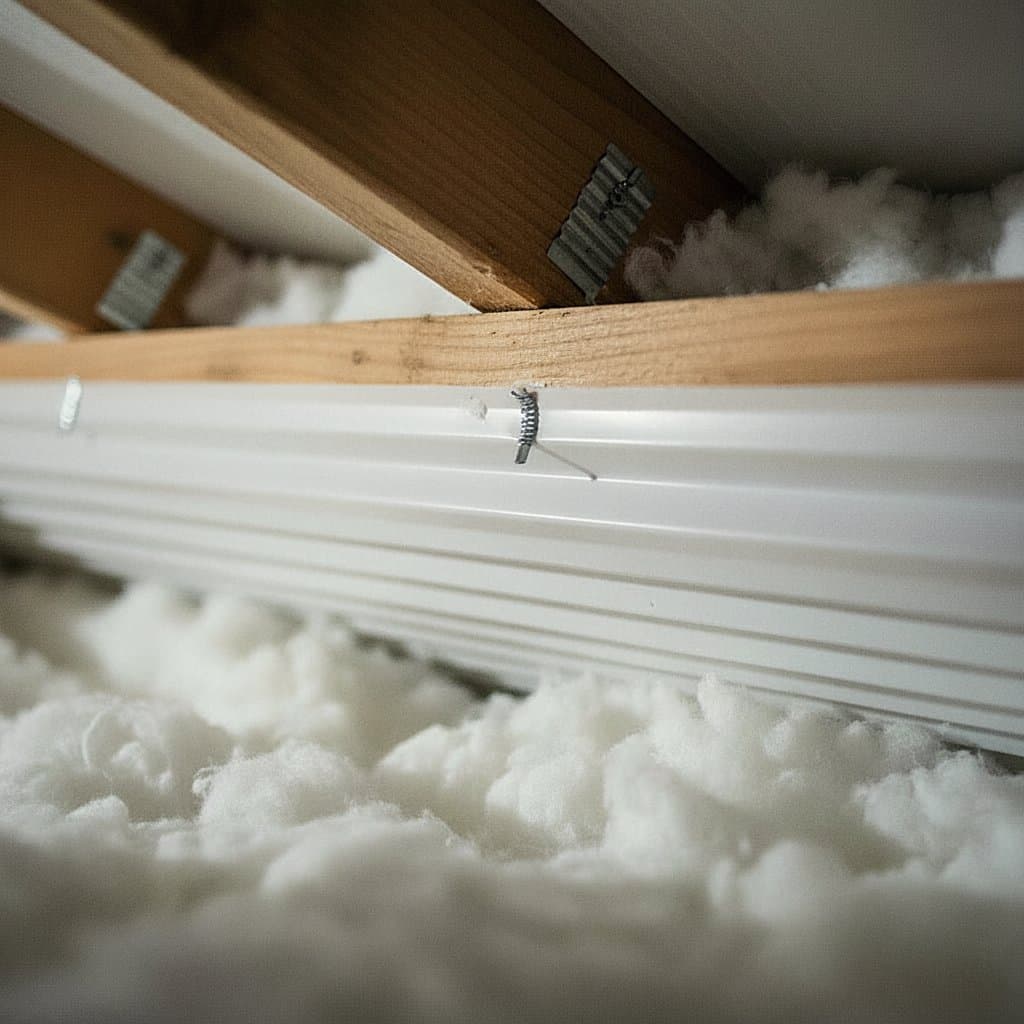
Here is how a real job goes. First we read the moisture and hunt down the source, because the mold you see is only the symptom of a much quieter water problem behind it. Three things cause most of it. A roof leak soaks the wood. Blocked soffit vents choke off the cold outside airflow that is supposed to keep the whole attic dry through the winter. Or a bath fan dumps warm wet air straight into the attic instead of pushing it outside the way it should. We seal the access. We treat the stained wood, HEPA vacuum the loose spores, then open up the soffit vents, add baffles, and reroute any fan that was venting into the space. We follow IICRC training and EPA mold guidance the whole way.
- We trace the leak or airflow problem first, not just the stain.
- Stained sheathing and rafters get treated, not painted over.
- HEPA vacuuming pulls the loose spores off the wood.
- We clear blocked soffit vents and add baffles for real airflow.
- Bath fans get rerouted to vent outside, not into your attic.
Royal Oak attics are built for this problem. Most homes here went up before 1970, with older roofs, tight soffits, and bath fans added long after the house was framed. Our heavy snow and freeze thaw swings build ice dams at the eaves that push water up under the shingles and into the attic. We work across Royal Oak and nearby Berkley, Clawson, and Madison Heights, so we know the older housing stock and where the damp hides. We come out fast, document everything with photos for you and your insurer, and leave the attic cold and dry the way it should be.
The first step is a free inspection and a written scope you can hold us to. No deposit, no pressure. Call us today and get your free quote.