What crawl space mold removal really takes
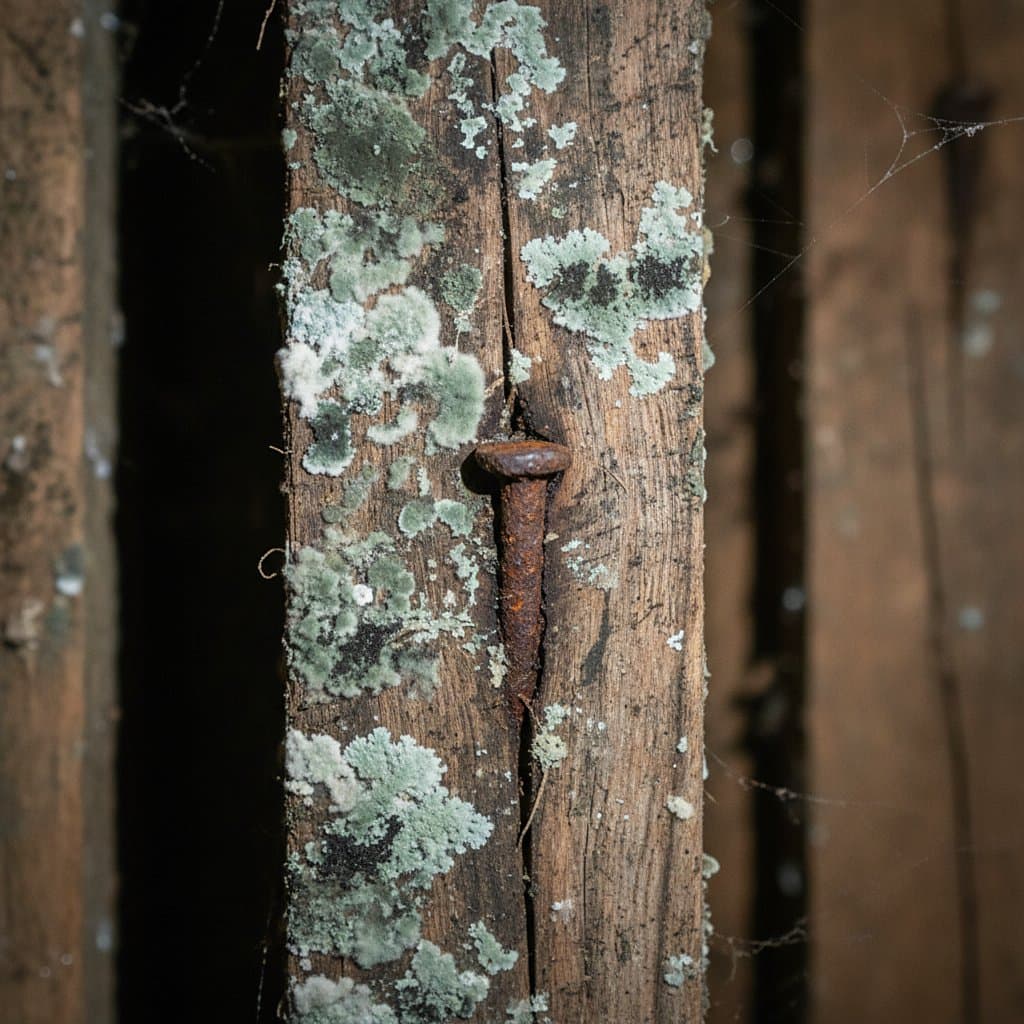
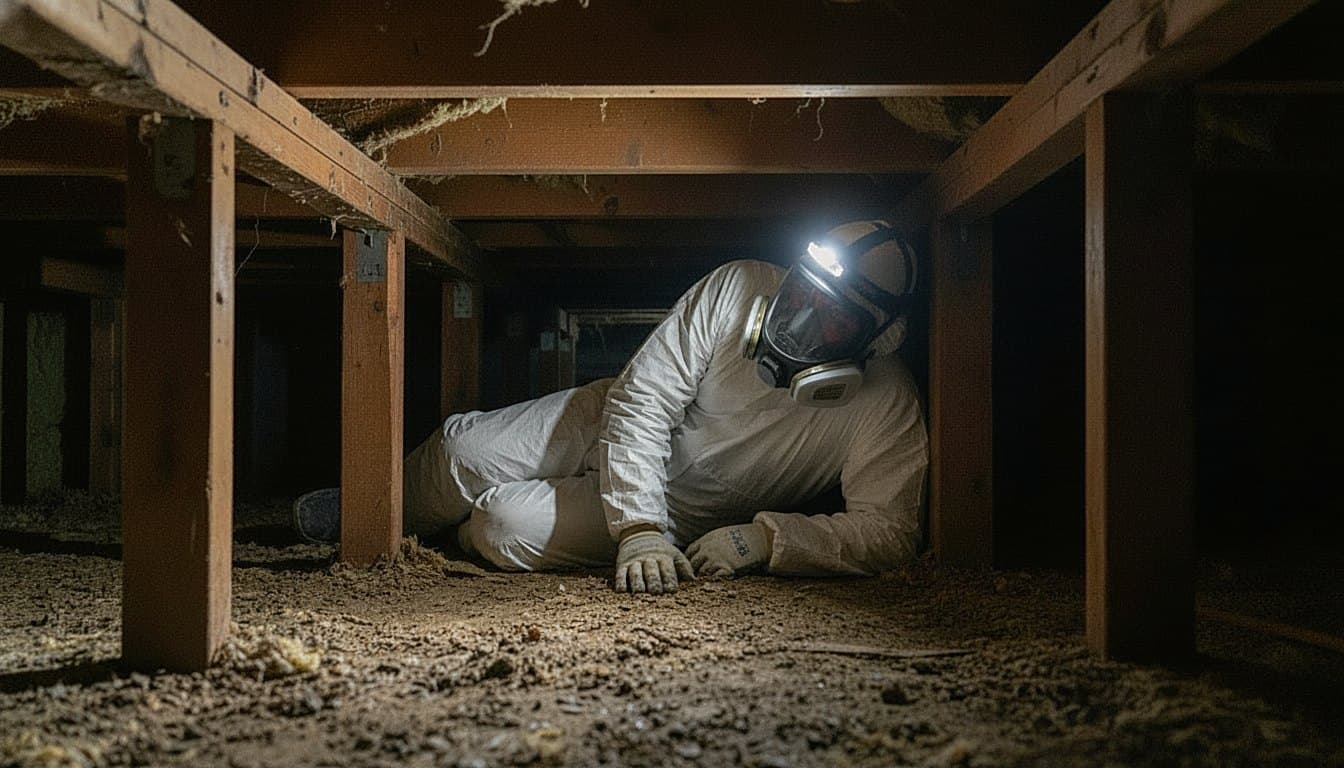
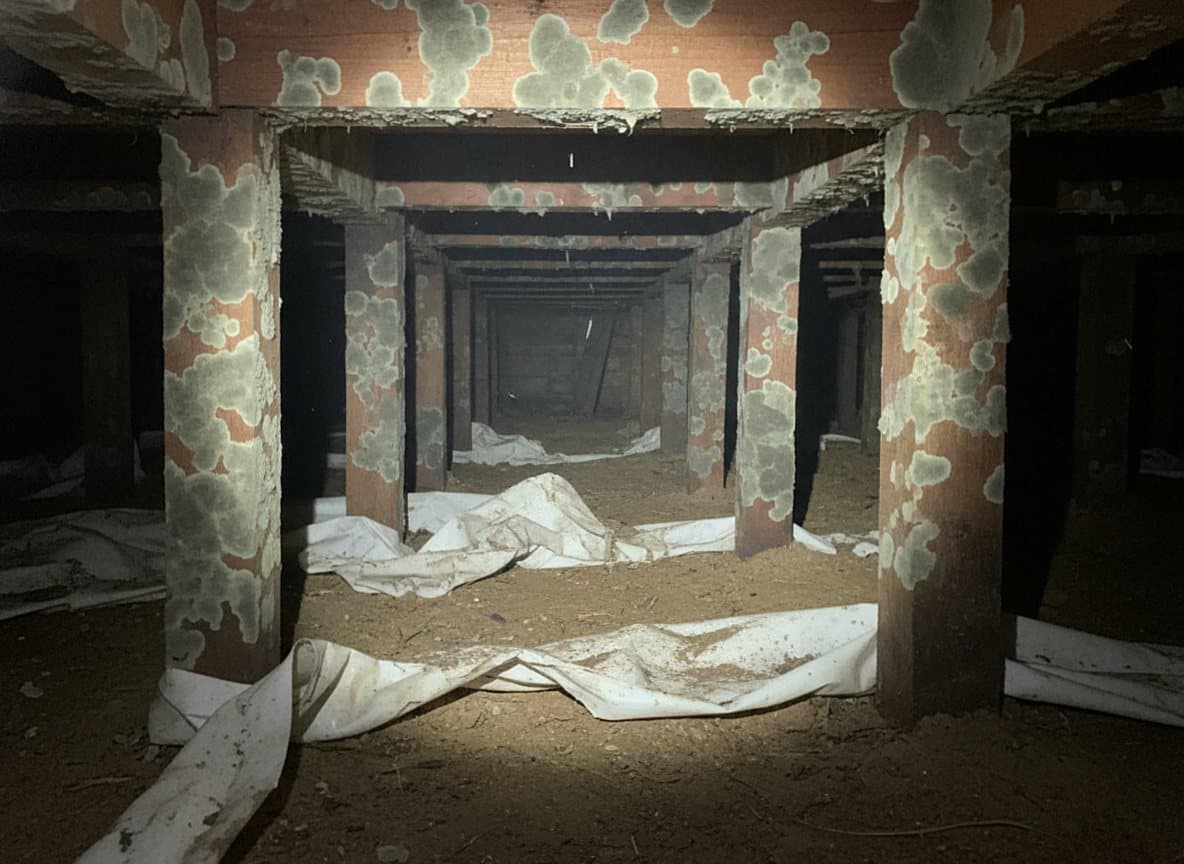
Royal Oak crawl space mold removal is tight, dirty work, and that is exactly why so many homeowners put it off. The space under the floor is low. You crawl on your belly past pipes and ducts, in the dark, where the air is damp and the smell hits you first. Mold takes hold on the subfloor and the wood framing above your head, because that wood stays cool and wet while the dirt below gives off moisture all day. By the time it spreads, the underside of your home is feeding spores into the rooms you live in.
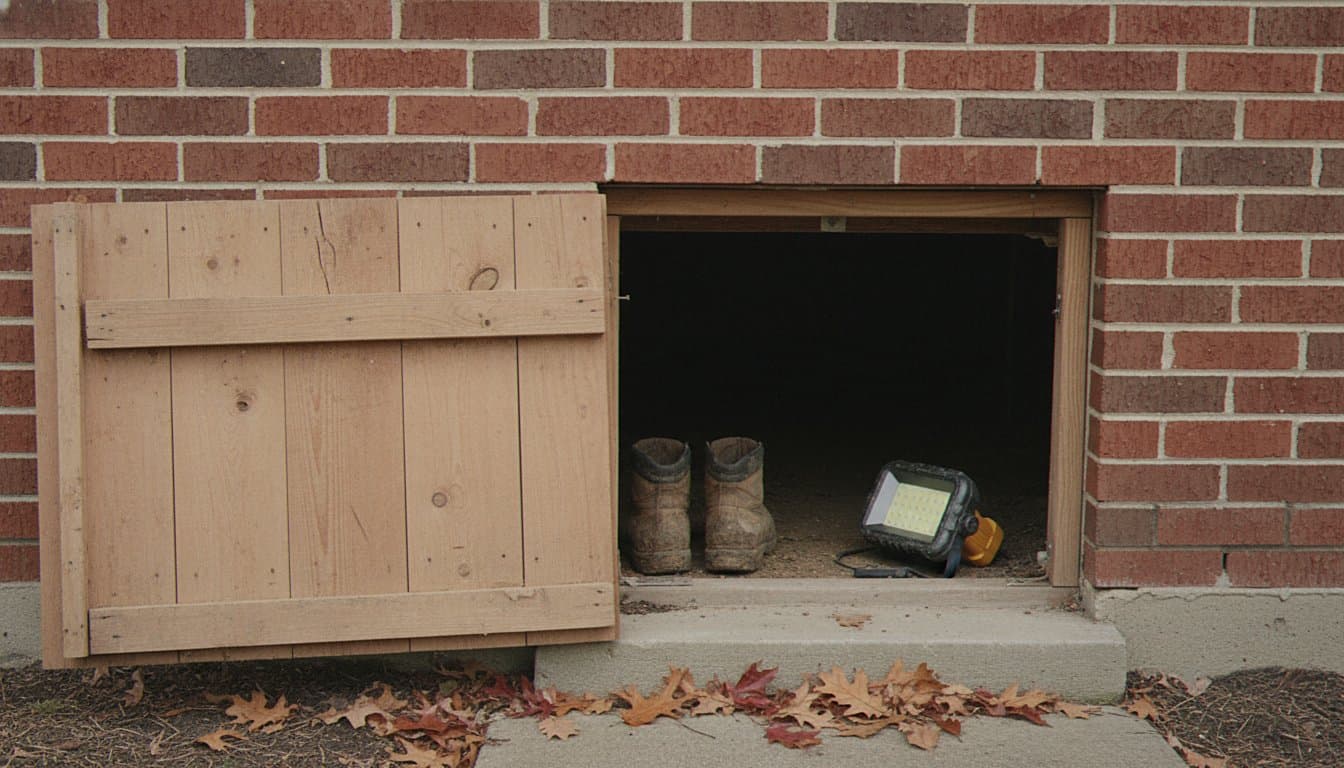
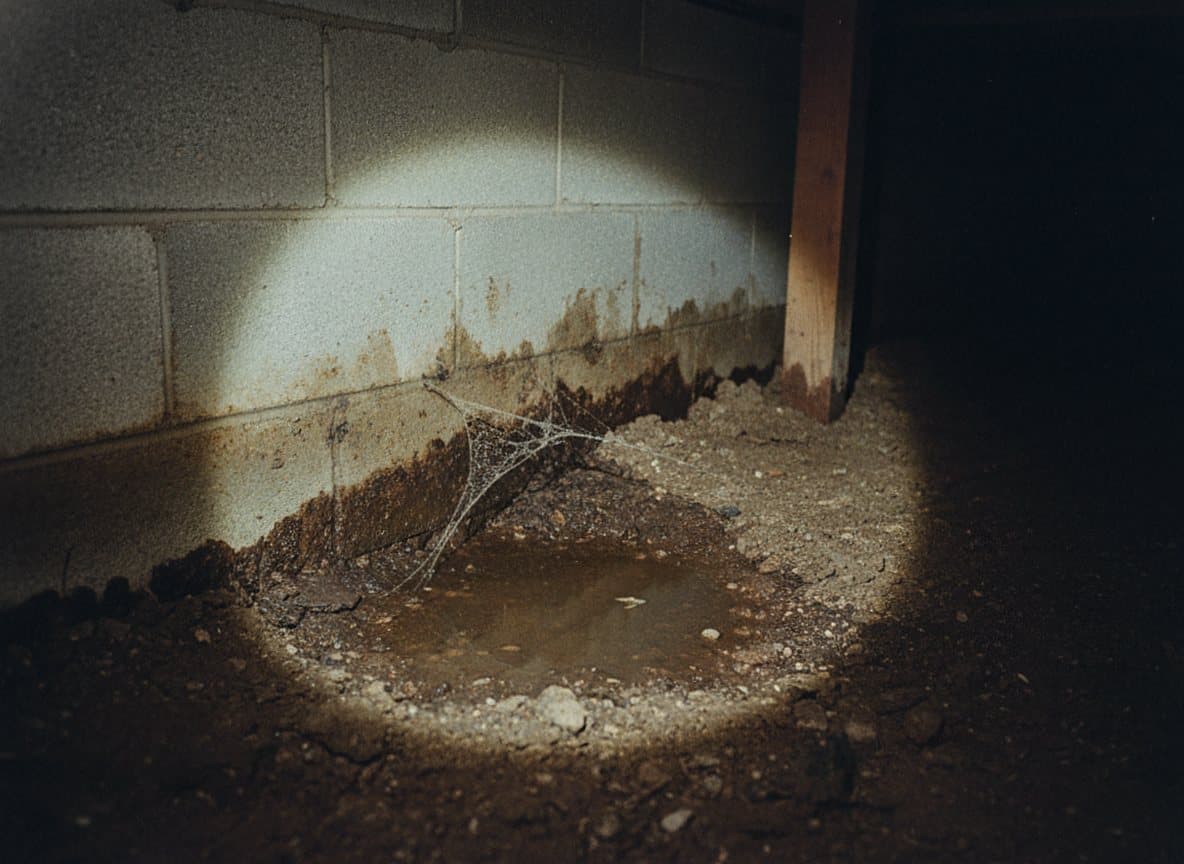
A lot of Royal Oak homes sit over a shallow crawl space instead of a full basement, and many were built in the 1950s with bare dirt or block walls and almost no vapor control. That dirt is the problem. Ground moisture rises, lands on the cold joists, and never dries out. We start by sealing off the access so spores do not drift up into the house. Then we get under there in a respirator with a work light, HEPA vacuum the framing, and treat every affected surface with an antimicrobial. Rotted or soft wood that cannot be saved comes out.
- We seal the crawl space access so spores never reach your living rooms.
- HEPA vacuum and antimicrobial treatment on the subfloor and the joists above.
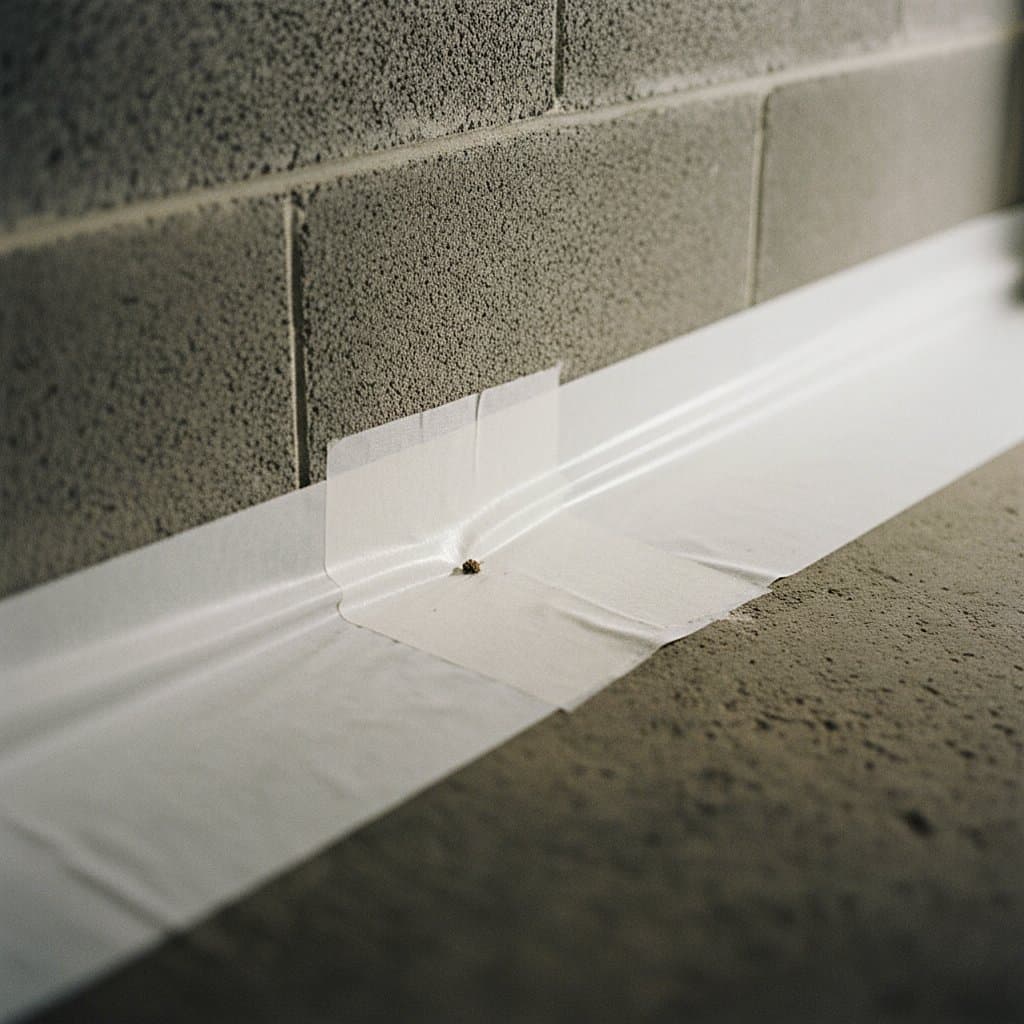
- A vapor barrier over the dirt cuts off the moisture feeding the mold.
- A dehumidifier holds the air dry so the growth does not return.
- Tight access crews who fit the low spaces under older Royal Oak homes.
Removing the mold is only half the fix. If the crawl space stays damp, it grows back. So we lay a vapor barrier across the dirt to cut off the moisture from below, and we set a dehumidifier to hold the air dry. We check the grading and any standing water that drains toward the house, since spring melt and heavy Oakland County rain push water under homes all season. The goal is simple. Dry framing, clean air, and a crawl space that stays that way after we leave.
Get your free quote today. We will get a crew under your floor and the air clean again.