What a Royal Oak mold inspection really finds
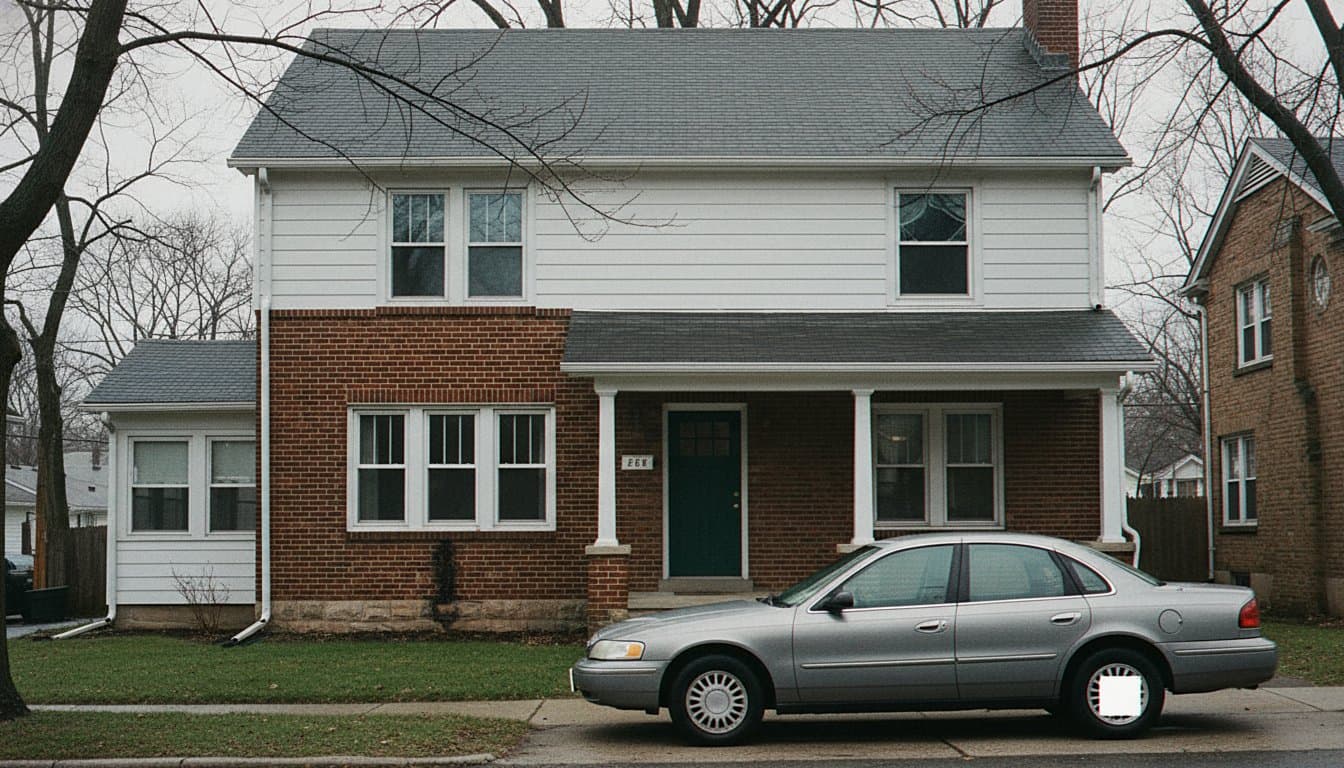
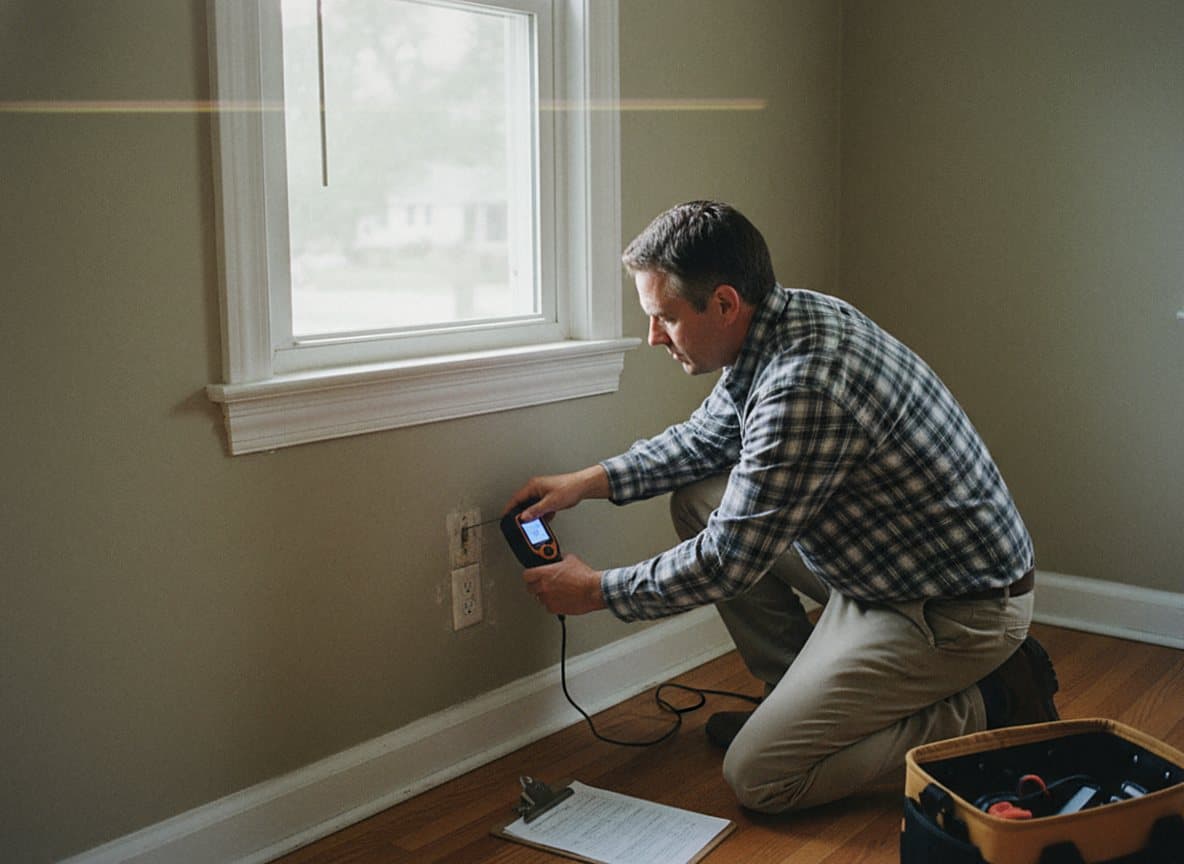
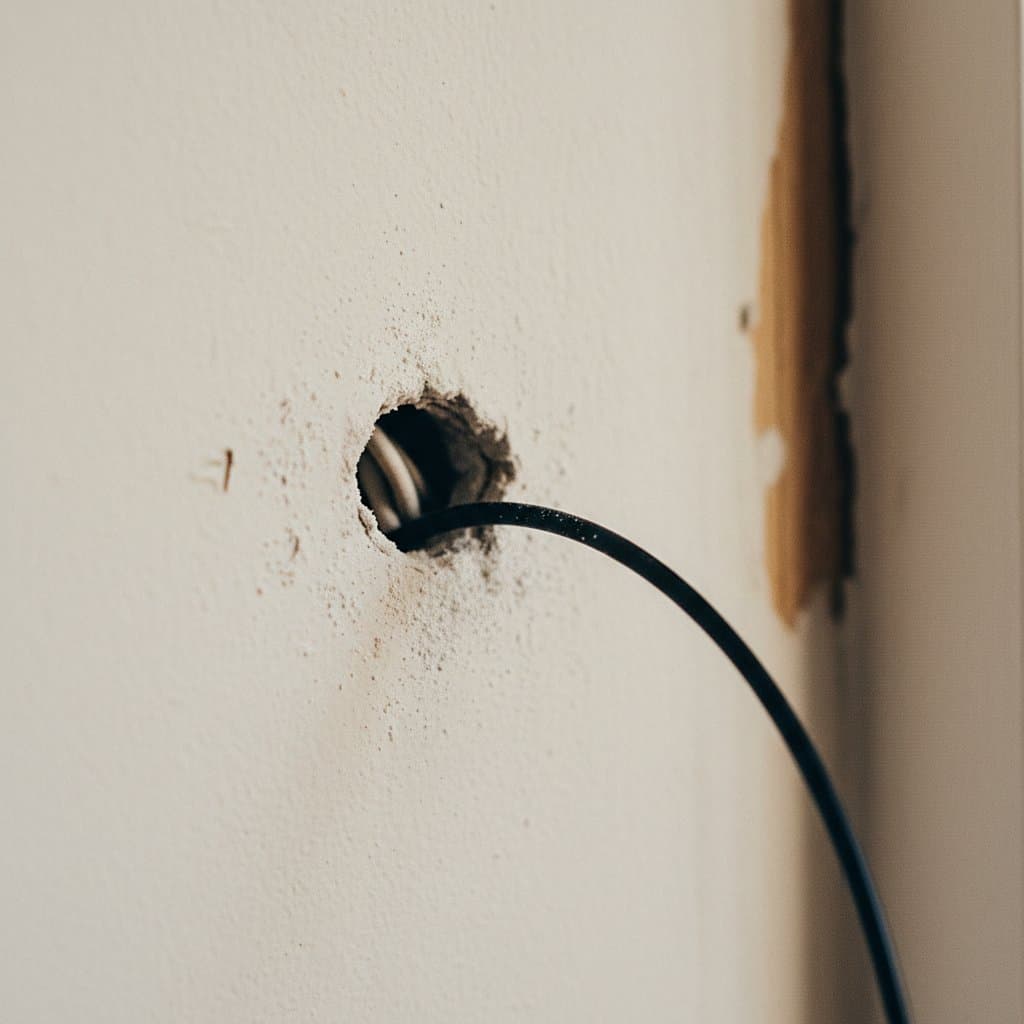
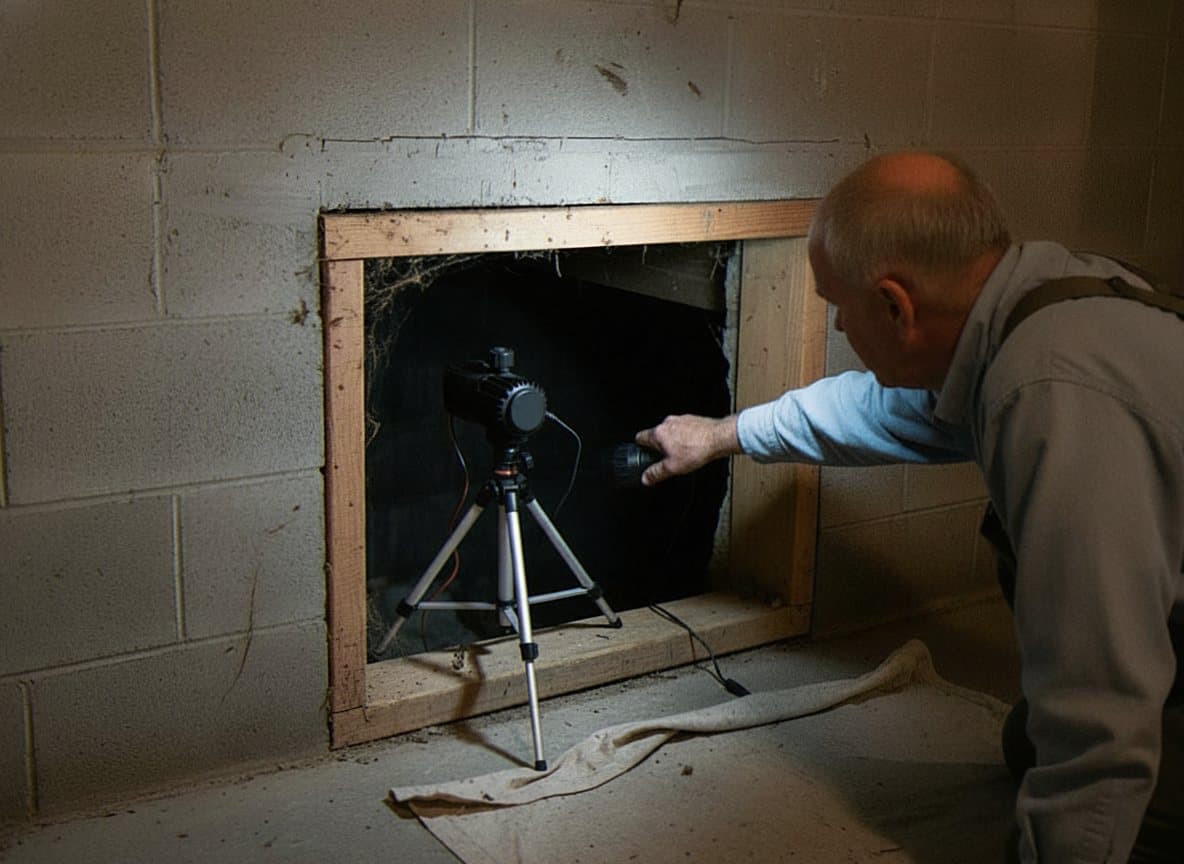
A Royal Oak mold inspection is the smart first move when you smell must but cannot find the source. We come in, look hard, and measure. Before anyone tears out a wall or quotes a removal, we figure out what is really there. Our inspector walks the home, checks the basement and any room with past water, and reads the moisture in the walls and floor. Many Royal Oak homes were built in the 1950s over full basements, so a damp corner or a slow leak is common. We find it.
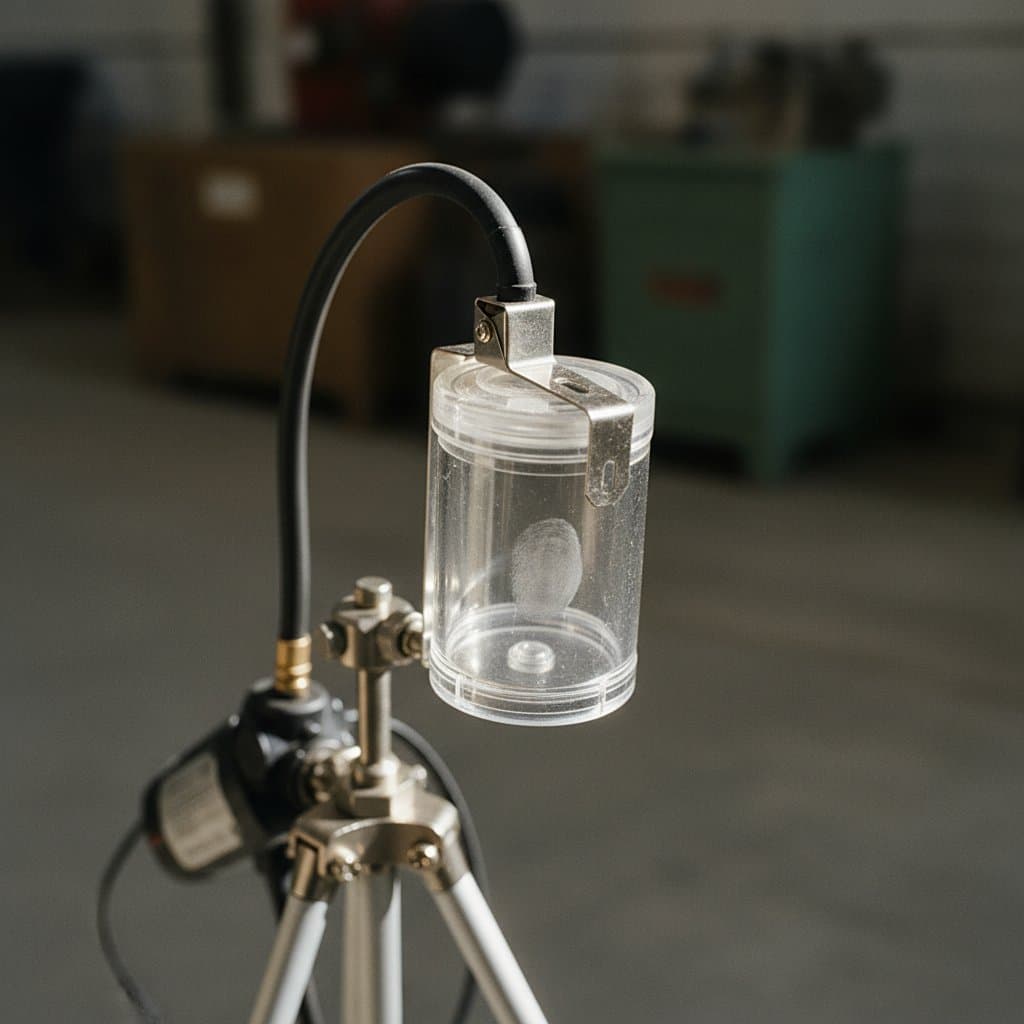
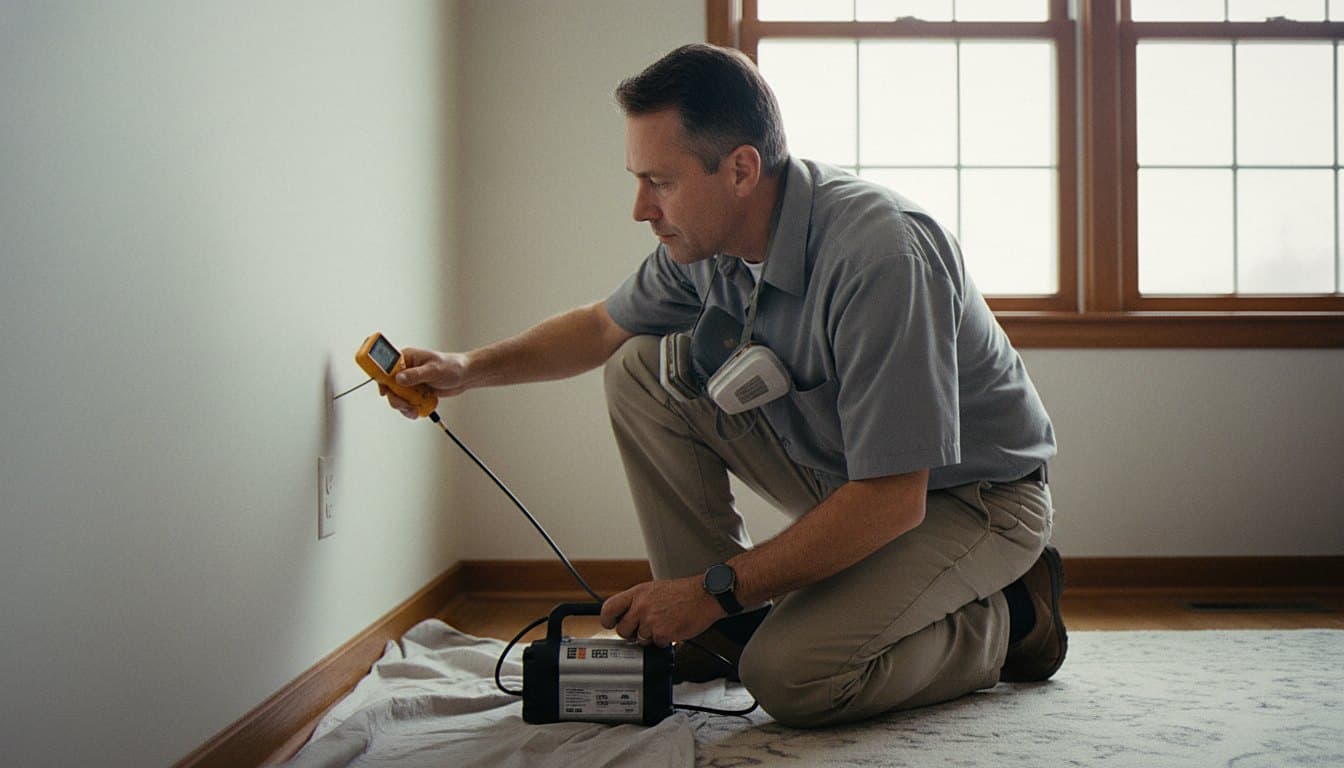
Visible mold on a wall is one thing. The mold you cannot see is the harder problem, and that is where testing earns its keep. We pull air samples with a calibrated pump and lift surface samples off suspect spots. Those samples go to an independent lab. The lab counts the spores and names the species, so you learn what is in the air, not just what is on the surface. We compare the indoor count to an outdoor baseline taken the same day. That tells us whether the home has a real problem or normal background levels.
- We find hidden mold with moisture meters before it spreads.
- Air and surface samples go to an independent lab for proof.
- A clear report names the mold species and the spore count.
- We compare indoor air to an outdoor baseline taken that day.
- Testing scopes the job so removal is priced to the real problem.
Who needs a test? Anyone buying or selling a Royal Oak home, anyone with a musty smell and no clear cause, and anyone whose family keeps getting stuffy or short of breath indoors. If you already see a large black patch, you may not need a test to start the cleanup. But you will want one after, to prove the air is clean. Testing matters most when the mold is hidden, when the cause is unclear, or when you need a paper trail for a sale or an insurer. A clear report turns a scary guess into a plan.
Start with the test and know what you are dealing with. Get your free quote today and we will get an inspector out.